Sleep apnea is a disorder that many people experience; it causes severe distress to the airways and respiratory system during hours of rest. Fortunately, because it is so well known, medical professionals often treat it with a list of options that all work together to decrease the effects of this dreadful illness. Here are some effective ways to treat chronic sleep apnea, so you can start sleeping better.
Try To Lose Weight
One of the most effective ways to relieve sleep apnea is to lose weight. Excess fat around the neck and throat often blocks or narrows the airway. Obesity is commonly the cause of this excess fat, though there are instances where obesity is not the cause and a blocked or narrowed airway is unavoidable. However, simply altering your lifestyle to prioritize healthy habits can get you where you want to be regarding your sleep.
Daily Exercise Is Key
Getting in shape can do multiple things for you—most notably, you’ll feel better overall. You will get sick less often, which is critical when alleviating sleep apnea. Respiratory illnesses especially have the worst impact on your overall health. Incorporate light exercise into your daily routine to prevent those things from happening.
Only Drink Occasionally
If you like to drink, it might be harder for you to cut back, but the benefits of drinking less will greatly outweigh any cravings you might have. When you drink alcohol, it suppresses the nervous system and can cause sleep apnea symptoms to persist or worsen, causing irregular breathing and choking. It’s always best to drink alcohol in moderation, but you should think about how overindulging might affect your health and sleep.
Nasal Decongestants Can Help
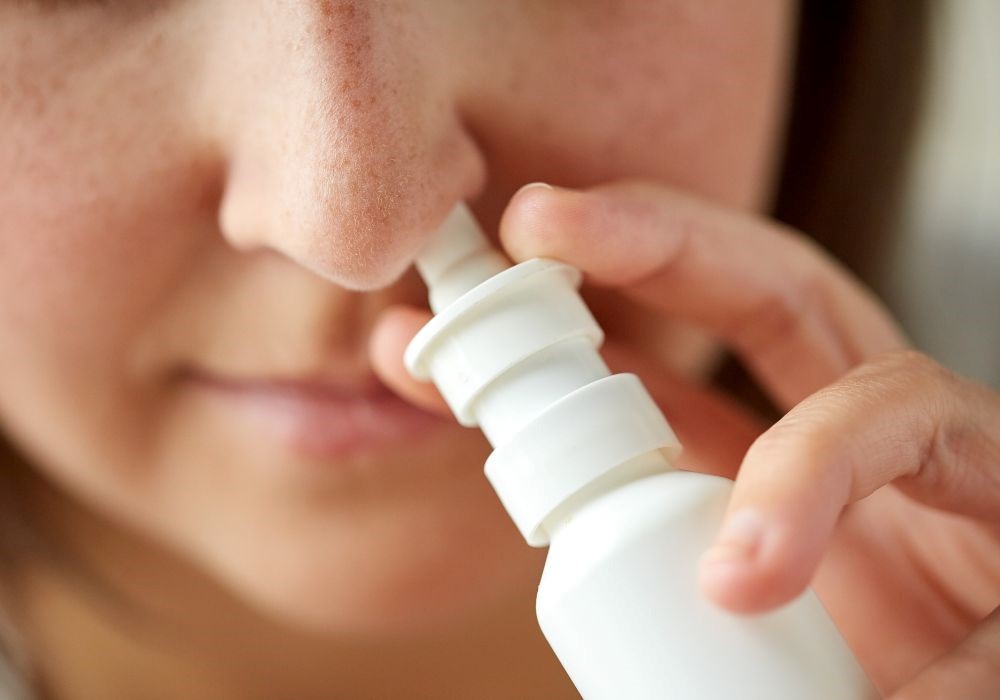
Some over-the-counter medications, such as nasal decongestants, may help treat sleep apnea symptoms, but you should always consult your medical practitioner before purchasing them.
If you’re already on medications, consulting your doctor is imperative because you’d be mixing medicines and could have a severe reaction. See a doctor for your snoring patterns, whether mild or severe, instead of trying to remedy them at home.
Avoid Sleeping on Your Back
Above all else, ensure you’re not sleeping on your back while you sleep. If you have sleep apnea, sleeping on your back will completely close off your airways, causing many problems.
Cutting off the oxygen to your brain for any time can result in a whole host of medical problems, so sleep on your side or stomach if you can.
Effectively treating chronic sleep apnea isn’t easy, but we hope our tips will give you a solid foundation to build from. You can reference these tips any time you have an episode, and consult your doctor often to alleviate your symptoms quickly and get better sleep.
Read Also
- Where to Find Reliable Mental Health Support for Teens
 Have you noticed changes in your teen’s mood, sleep, or behavior that leave you worried? Growing up can bring stress from school, friends, family, and new demands. Some teens may struggle to share their feelings or ask for help, even when they need support. Finding the right mental health support for teens can help them… Read more: Where to Find Reliable Mental Health Support for Teens
 - Top Trends Shaping the Future of Mental Health CareMental health care is moving fast to meet daily human needs. People want direct care that fits modern life. Clinics respond by creating flexible options that make healing easier to reach. Providers look past rigid habits to give people solid care. From smart tools to body wellness, these changes help people find relief when life… Read more: Top Trends Shaping the Future of Mental Health Care
- Full-Arch Dental Tourism: Why UK Patients With Severe Bone Loss Are Looking AbroadDental implants have become one of the fastest-growing segments of private dentistry. Within that market, one patient group behaves very differently from the rest: people who have been told they do not have enough upper jawbone for conventional implants. For these patients, the choice is rarely between one clinic and another. It is between a… Read more: Full-Arch Dental Tourism: Why UK Patients With Severe Bone Loss Are Looking Abroad
- Levels of Mental Health Care and When to Seek SupportMental health care can range from occasional outpatient appointments to 24-hour hospital treatment. The appropriate level depends on safety, symptom severity, daily functioning, medical needs, available support, treatment history and personal preferences. A licensed clinician should assess these factors rather than relying on a symptom list alone. Need help now? In the United States, call… Read more: Levels of Mental Health Care and When to Seek Support
- How to Choose a Shilajit Brand Based on the ResearchIn a randomized trial published in the Journal of the International Society of Sports Nutrition in 2019, 63 active men took 250 mg of standardized shilajit, 500 mg, or a placebo every day for eight weeks, and the benefit for strength retention after a fatiguing workout appeared only at 500 mg. For anyone choosing a… Read more: How to Choose a Shilajit Brand Based on the Research